


How to Choose the Right Gemstone Dice?
How to Choose the Right Gemstone Dice?
- Step 1: Determine Your Budget
- Step 2: Consider Visual Appeal and Personal Preference
- Step 3: Evaluate Durability and Practicality
Introduction to Gemstone D&D Dice
The satisfying weight of a perfectly carved amethyst d20 hitting your gaming table creates an unmistakable moment of anticipation that plastic dice simply cannot match. Gemstone dice have transformed from luxury curiosities into essential gaming accessories, offering players a tactile connection to their characters that transcends ordinary gameplay.
Understanding the world of gemstone dice involves more than just appreciating their beauty—it requires knowledge of materials, craftsmanship, and practical considerations that affect both performance and longevity.

What You Need to Know Before Buying Gemstone Dice
Before diving into selecting your perfect gemstone dnd dice set, understanding the fundamental differences between natural stone and synthetic alternatives proves essential. Unlike plastic dice, gemstone dice require specific handling considerations due to their mineral composition, and weight distribution. Rolling surfaces matter significantly when using stone dice. Hard surfaces like glass or metal can chip gemstone edges, while felt-lined dice trays provide optimal protection. According to durability testing, proper surface selection extends dice lifespan considerably.
Budget expectations should align with quality levels, as authentic gemstone dice typically cost 10-20 times more than standard plastic sets. Common purchasing mistakes include overlooking weight preferences and failing to verify authentic materials versus dyed alternatives.
Understanding these basics ensures your investment in premium dice enhances rather than complicates your gaming experience.


Step-by-Step: How to Choose the Right Gemstone Dice
Selecting the perfect stone dice requires a systematic approach that balances your gaming needs with practical considerations. The process involves evaluating multiple factors that directly impact both your gaming experience and long-term satisfaction with your investment.
Start by assessing your primary use case - whether you're seeking dice for regular campaigns, special occasions, or display purposes. Consider the gaming environment where you'll use them most frequently, as this influences both material selection and size preferences.
Next, evaluate the aesthetic elements that resonate with your character or personal style, including color preferences, transparency levels, and any symbolic meanings associated with specific gemstones. Finally, factor in practical elements like weight tolerance, storage requirements, and maintenance commitment to ensure your chosen dice will enhance rather than complicate your gaming sessions.
Step 1: Determine Your Budget
Entry-level natural stones like green aventurine or red jasper often cost $40–70. Mid-tier favorites—amethyst, tiger's eye, obsidian—run $60–150. Premium or rare stones (jade, lapis lazuli, fluorite) can reach $200+.
Consider your intended use when setting your budget. Casual players might prioritize affordability, while collectors or regular campaign participants often justify higher investments for durability and visual impact. Remember that quality gemstone dice represent a long-term investment—properly maintained sets can last decades, making the cost-per-use surprisingly economical.
Setting a realistic budget now prevents impulse purchases and helps narrow your selection to stones that match both your financial comfort zone and gaming needs.
Step 2: Consider Visual Appeal and Personal Preference
Color and pattern heavily influence your connection to the dice. Amethyst’s royal purple suits arcane casters; tiger's eye’s golden chatoyancy fits rogues or rangers; obsidian’s deep black drama suits warlocks or death-domain clerics.
Amethyst dice exemplify how color psychology influences choice - their deep purple hues often appeal to players of magical characters or those drawn to mystical themes. Similarly, the swirling patterns in tiger's eye create dynamic visual interest that changes with each roll, while the stark elegance of obsidian appeals to players seeking dramatic contrast.
However, remember that striking visual appeal shouldn't override practical considerations like readability and durability in your final decision.

Step 3: Evaluate Durability and Practicality
While gemstone dice offer stunning beauty, their practical performance deserves careful consideration.
Hardness varies widely (Mohs scale):
- Obsidian, quartz, hematite: 6–7 (very durable)
- Amethyst, tiger's eye, jasper: ~7 (excellent daily use)
- Lapis lazuli: 5–6 (moderate—needs gentle handling)
- Fluorite, selenite: 3–4 (display only)
Consider your gaming frequency when evaluating durability needs. Regular weekly sessions demand more robust stones, while occasional special event use allows for softer, more delicate materials.
Balance aesthetics with functionality by considering weight distribution and edge quality. Hand-carved dice may show slight irregularities that affect rolling patterns, though this rarely impacts casual gameplay significantly.


Example Scenarios: When to Use Gemstone Dice
Understanding why choose gemstone dice becomes clearer when examining specific gaming situations where they truly shine. Special campaign moments, such as boss battles or character milestones, deserve the gravitas that real amethyst gemstone dice can provide through their natural weight and visual impact.
Gemstone dice excel during memorable story beats where the roll itself becomes part of the narrative experience. The satisfying click of obsidian against felt during a crucial saving throw creates an atmosphere that plastic simply cannot match, making these moments feel more significant for both players and dungeon masters.
This enhanced gaming atmosphere sets the stage for understanding how gemstone dice compare to their more common alternatives.
Comparison: Gemstone Dice vs. Resin Dice
| Feature | Gemstone Dice | Resin Dice |
|---|---|---|
| Weight | Heavy, substantial feel | Lighter, faster rolls |
| Appearance | Unique natural patterns | Consistent, often sharp edges |
| Durability | Scratch-resistant but chip-prone | Impact-resistant, rarely chips |
| Cost | $50–200+ | $15–60 |
| Balance | Excellent when well-made | Extremely consistent |
| Best for | Immersion & prestige | Frequent travel & rough handling |
Sharp-edge resin dice maintain crisp geometry, while gemstone dice have softer, organic edges that many players find more pleasant to handle.

Limitations and Considerations of Gemstone Dice
Are Gemstone Dice Durable?
Harder stones (7 on Mohs) resist scratches far better than plastic or resin. However, all natural stone remains vulnerable to chipping if dropped on hard floors. Proper care—padded rolling surfaces, individual storage compartments—makes even mid-hardness stones last decades.
Limitations to Consider
- Fragility on impact
- Higher cost of replacement
- Heavier weight (not ideal for quick rolling games)
- Potential minor balance variations due to natural inclusions
These trade-offs don’t diminish their appeal—they simply help you decide when gemstone dice are the right choice.
What Is a Standard D&D Dice Set?
Seven polyhedral dice: d4, d6, d8, d10, d%, d12, d20. Quality gemstone sets maintain identical sizing, engraving depth, and finish across all pieces for visual harmony and consistent feel.

Making Gemstone Dice Accessible
Budget players can enjoy similar aesthetics with synthetic or treated stones at lower prices. Group purchases, shared sets for special sessions, or buying pre-owned all reduce cost. Many gaming circles successfully pool resources for a premium set everyone can use during big campaigns.
Cost vs. Value
Plastic sets cost under $10 but wear, fade, or chip over time. Gemstone dice ($50–200) represent functional art—handcrafted from natural materials with unmatched longevity. When you factor in decades of use and the elevated experience they provide, the investment often pays for itself many times over.
Final Thoughts: Are Gemstone Dice Worth It?
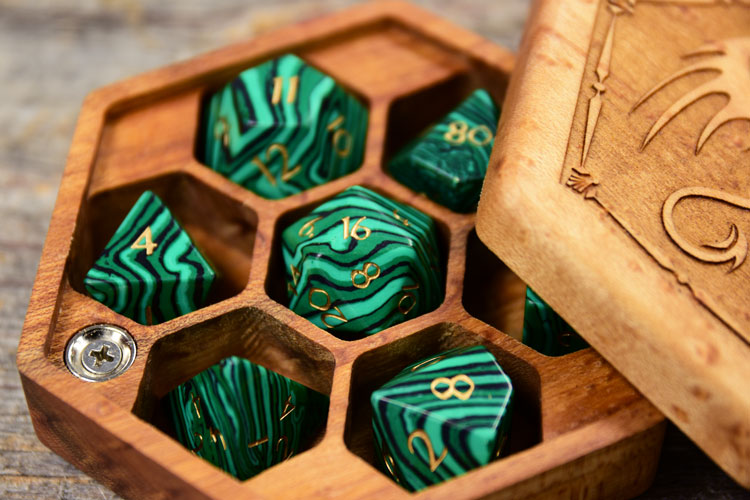
Gemstone D&D dice combine natural beauty with a satisfying weight that elevates every roll. If immersion, craftsmanship, and table presence matter to you, they offer an experience plastic simply can't match.
Choose harder stones for frequent play, use a padded tray to prevent chips, and prioritize readability when selecting your set. With proper care, a quality gemstone dice set can last for years—making it both a practical tool and a piece of functional art.
For players ready to enhance their sessions with something truly distinctive, gemstone dice are an investment that pays off every time the dice hit the table.


